How to Choose Pest Removal Experts
Protect Your Home: Proven Pest Control Strategies for Homeowners
Proper pest management is crucial for homeowners looking to preserve a safe and healthy home environment. Infestations can result in notable health risks and substantial harm to your home. Understanding the importance of proactive strategies is imperative. This involves identifying frequently encountered pests and the dangers they present. Despite this, numerous homeowners find themselves unclear on the best place to start. The following discussion will outline essential steps to defend against these unwanted intruders and explore sustainable methods for long-term success.
The Importance of Pest Control in Your Home
Effective pest control is vital for preserving a clean and healthy household. Common pests including rodents, insects, and termites can pose significant threats not only to the condition of your property but also to the overall welfare of those living in the home. These unwanted visitors can contaminate food sources, spread diseases, and cause allergies. Moreover, the harm to building structures inflicted by pests, especially termites can cause significant repair expenses and a decline in the value of your home.
Homeowners often overlook the need for consistent pest prevention, thinking that occasional sightings are manageable. However, prompt discovery and steady protective steps can reduce the risk of serious infestations. A proactive approach to pest control provides a more secure household and contributes to a healthier lifestyle.
Additionally, pest control contributes to peace of mind, allowing families to focus on everyday routines without concern about possible pest problems. In the end, dedicating resources to pest control is fundamental for preserving a comfortable and secure home environment.
Important Measures to Keep Pests Away
Even though pests can enter any residence, adopting important preventative steps significantly decreases the likelihood of pest problems. Homeowners should start by filling cracks and gaps in walls, windows, and doors, which serve as entry points for unwelcome intruders. Regularly inspecting and repairing screens can also deter pests from entering.
Maintaining a clean environment is vital; food should be stored in airtight containers and spills promptly cleaned. In addition, homeowners are advised to oversee their outdoor spaces by pruning vegetation and ensuring gutters remain unobstructed to reduce potential nesting areas.
Proper waste disposal, utilizing secure lids on trash bins, additionally reduces attractants. It is equally recommended to keep firewood stored at a distance from the house, as it may attract and shelter pests. Lastly, routine evaluations by pest management experts can identify vulnerabilities and provide tailored solutions, guaranteeing a preventative strategy against pest infestations.
Typical Home Pests and the Dangers They Pose
Typical home-invading pests, such as rodents, termites, and cockroaches, present serious health hazards and can cause extensive property damage. These pests not only carry diseases but also threaten the structural stability of homes. Homeowners must acknowledge the serious risks associated with these invaders to successfully control their impact.
Frequently Encountered Pest Types
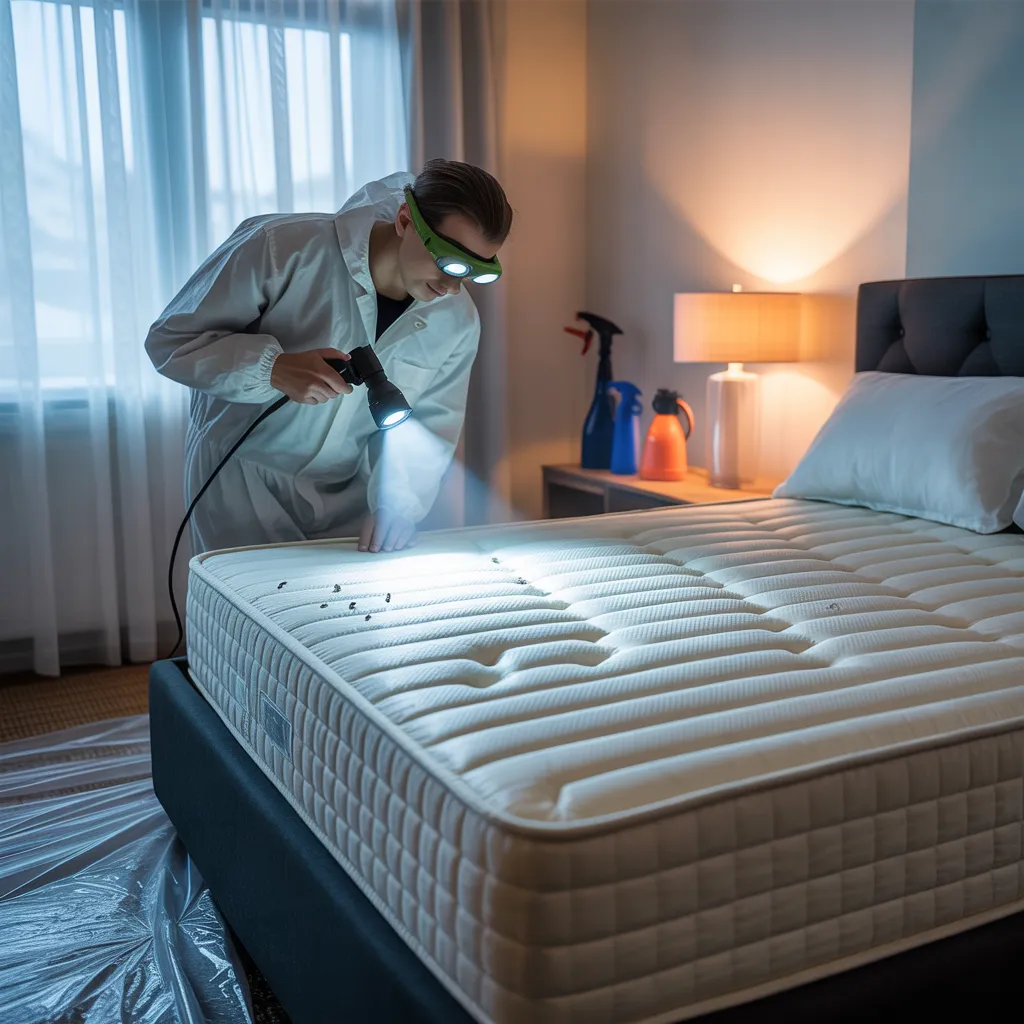
Understanding the various types of common pests is crucial for homeowners seeking to sustain a safe and healthy living environment. Among the most prevalent pests are ants, which can infiltrate kitchens in search of food, and cockroaches, known for their resilience and rapid reproduction. Termites represent a major hazard to wooden structures, often going unnoticed until considerable damage has been done. Rodents, such as mice and rats, not only contaminate food but can also damage electrical wiring, leading to dangerous fire risks. Furthermore, spiders, while typically non-threatening, can be disturbing and some species are venomous. To conclude, bed bugs have gained notoriety for infesting sleeping areas, causing unease and distress. Identifying these pests is the primary action in efficient pest elimination.
Health Dangers Identified
Domestic pests represent considerable health dangers, commonly resulting in a range of diseases and allergens. For example, rodents are capable of spreading hantavirus and leptospirosis via their droppings and urine, posing serious threats, especially to children and the elderly. Cockroaches are notorious for triggering asthma and allergic reactions due to their droppings and body parts. In addition, mosquitoes act as transmitters of diseases including West Nile virus and Zika, rendering their presence a serious public health threat. Ants can also be problematic, as certain species can contaminate food and introduce bacteria. While termites are most commonly associated with property destruction, inhaling their droppings can aggravate respiratory problems. Recognizing these health hazards is vital for homeowners who seek to preserve a safe and healthy home environment.
Property Damage Concerns
Pests not only pose health risks but also threaten the structural integrity of homes. Common household pests, such as termites, rodents, and carpenter ants, can cause extensive damage if left unchecked. As a prime example, termites devour wood and can undermine structural support beams, causing significant financial burden in repairs. Rodents may gnaw on electrical wires, creating fire hazards and further damaging walls and insulation. Carpenter ants bore through wooden structures to establish colonies, gradually compromising the integrity of the building over time. Moreover, moisture-dependent pests including cockroaches can accelerate mold proliferation, compounding structural deterioration. It is essential for homeowners to understand the threats these pests represent and deploy comprehensive control methods to defend their properties against damage, preserving a secure and healthy living environment.
Practical DIY Methods and When to Call a Professional?
Homeowners can manage many pest issues through proven DIY approaches that utilize readily available materials and methods. Basic remedies including sealing openings, utilizing essential oils, or placing traps can significantly decrease pest populations. For instance, a mixture of vinegar and water can discourage ants from entering, while diatomaceous earth can be applied in locations where insects tend explore this topic to gather.
Nevertheless, there are cases when DIY approaches may fall short. If infestations intensify or if pests such as rodents or termites compromise the structural integrity of your home, enlisting expert assistance becomes critical. In addition, particular pests may demand targeted treatments that are not suitable for the typical homeowner to address without risk. Understanding the boundaries of DIY pest control is important; acting proactively can preserve valuable time and money. All things considered, a thoughtful combination, blending proven DIY techniques with professional assistance as required, will secure a home free from pests.
Eco-Friendly Pest Control Strategies
For individuals looking for eco-friendly options, sustainable pest control approaches provide viable options beyond conventional techniques. Households can take advantage of natural remedies like plant-based essential oils, vinegar, and diatomaceous earth to deter pests without harmful chemicals. These substances can disrupt pest habits and create environments unfavorable for infestation.
Additionally, utilizing natural predators, such as lacewings and ladybugs, can naturally reduce harmful pest populations naturally. Growing pest-deterring plants, like marigolds and lavender, greatly boosts the garden's natural protection while promoting a diverse ecosystem.
Consistent preventive habits, such as blocking potential entry spots and keeping living spaces clean, can substantially decrease pest attraction. When embracing these green approaches, property owners simultaneously defend their homes and promote environmental well-being. This approach fosters a balanced ecosystem, guaranteeing that pest control efforts remain environmentally responsible.
Ways to Keep Your Home Free of Pests All Year Long
To keep a home free of pests all year long, residents are encouraged to apply targeted seasonal strategies suited to individual pest types. Regular maintenance practices, such as sealing entry points and keeping living areas clean, play an essential role in deterring infestations. Through the integration of these methods, residents are able to build a strong protective layer against uninvited pests.
Seasonal Pest Prevention Tips
Although pests can enter homes at any point, changes in the seasons tend to provoke their presence, making it vital for residents to implement effective prevention strategies year-round. In spring, homeowners should focus on sealing cracks and crevices, as insects emerge from hibernation. Summer brings an increase in ants and mosquitoes; as a result, consistent lawn upkeep, such as cutting back plants, is necessary. As autumn sets in, mice and rats look for protected spaces, which means homeowners should examine potential entry gaps near doors and windows. The winter months demand careful attention to warmth-seeking pests; insulating pipes and keeping firewood stored away from the home can deter infestations. Through adjusting pest control strategies according to seasonal changes, property owners can substantially minimize the risk of infestations across every season.
Routine Maintenance Practices
Ongoing maintenance routines are vital for homeowners seeking to preserve pest-free environments in their homes year-round. Routine examinations of the home's outer surfaces can reveal possible entry points, including cracks or gaps around doors and windows. Filling these cracks lowers the probability of pests making their way inside. Moreover, homeowners should prioritize cleanliness by immediately handling spills and placing food in airtight storage containers. Regular garden upkeep, such as cutting back shrubs and clearing away debris, also reduces areas where pests can thrive. Consistently inspecting and clearing gutters stops water from pooling, which can draw in unwanted insects. Ultimately, booking professional pest control assessments enables early discovery of concerns, promoting a preventive approach to managing pests. Together, these methods help create a more secure and pest-resistant living space.
Commonly Asked Questions
How Do I Recognize a Pest Infestation in My House?
To spot a pest infestation, one should look for signs such as nests, droppings, gnaw marks, or visible insects. Strange sounds or unexplained damage may also suggest the presence of pests within the home.
Are There Specific Pests That Are Seasonal?
Absolutely, various types of pests are tied to specific seasons. As an example, ants and termites tend to emerge in springtime, while rodent populations are known to seek cover in the fall season. Knowledge of these cycles enables homeowners to plan and apply efficient pest management strategies throughout the year.
What Are the Warning Signs of a Termite Issue?
Signs of a termite issue include mud tunnels along walls, hollow-sounding wood, discarded wings, and sawdust-like frass. Property owners should examine these signs as soon as possible to protect their property from significant harm.
How Frequently Should I Check My Home for Pests?
Property owners should examine their homes for infestations at least four times a year. Consistent evaluations assist in detecting potential infestations early, allowing for prompt intervention. Shifts in seasons may also influence pest activity, necessitating increased vigilance during the warmer season.
Can Pets Invite Unwanted Pests Into My Home?
Pets can certainly draw pests into a living space. Their hair, droppings, and leftover food create perfect environments for insects and rodents, making regular grooming and cleaning essential to minimize pest-related issues associated with pet ownership.